LPN vs. RN: What’s the Difference and Which Path Is Right for You?
IIntroduction
If you’re considering a future in healthcare, nursing can offer a rewarding career where you make a real difference in people’s lives every day. Two of the most common nursing career paths are becoming a Licensed Practical Nurse (LPN) or a Registered Nurse (RN). While both roles focus on patient care, there are important differences in education, responsibilities, salary potential, and career opportunities.
What Is an LPN?
A Licensed Practical Nurse (LPN) provides basic nursing care under the supervision of Registered Nurses (RNs) and physicians. LPNs work directly with patients in hospitals, nursing homes, clinics, rehabilitation centers, and other healthcare settings.
Common LPN Responsibilities
• Monitoring vital signs
• Administering medications
• Assisting patients with daily care
• Collecting patient information
• Changing bandages and wound care
• Supporting doctors and RNs with patient treatment
What Is an RN?
A Registered Nurse (RN) typically has a broader scope of practice and more advanced responsibilities than an LPN. RNs often coordinate patient care, develop treatment plans, educate patients and families, and supervise LPNs and nursing assistants.
Education Requirements
LPN programs are generally shorter and focused on practical nursing skills, while RN programs typically require an Associate Degree in Nursing (ADN) or Bachelor of Science in Nursing (BSN).
Which Nursing Path Is Right for You?
Choosing between becoming an LPN or RN depends on your personal goals, timeline, and career interests. Both career paths can be incredibly rewarding and meaningful.
Start Your Nursing Journey at Porter and Chester Institute
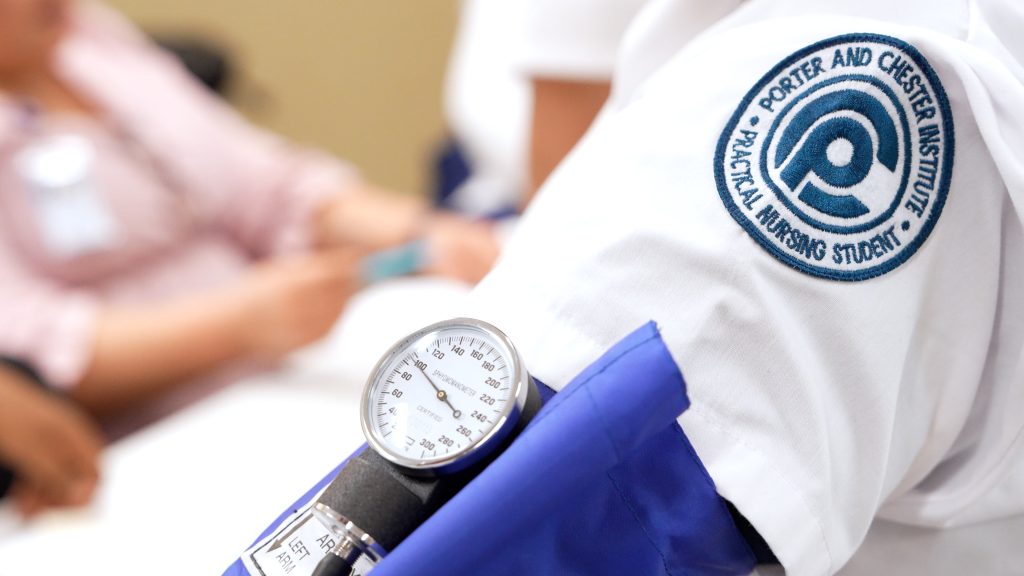
Porter and Chester Institute’s Practical Nursing Program offers hands-on training designed to help students prepare for real-world nursing environments. Students can gain practical experience, learn from industry-experienced instructors, and develop the skills needed to pursue a future in nursing. https://porterchester.edu/program/healthcare/practical-nursing/